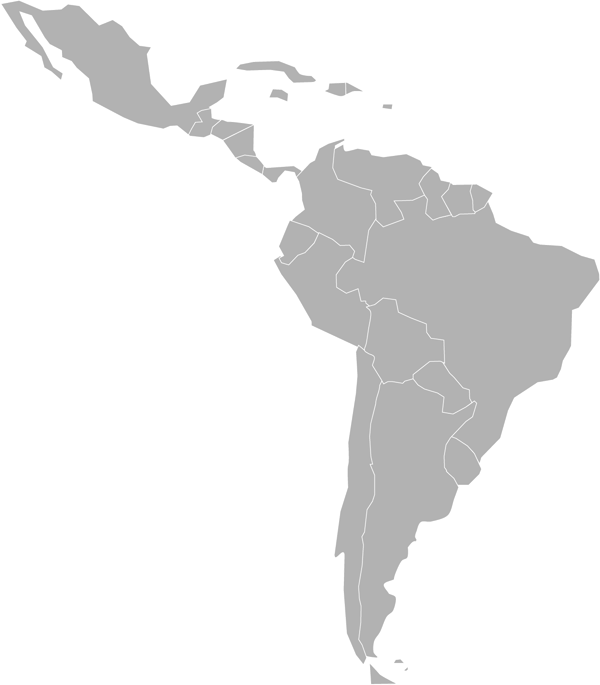
Over the last two decades, Latin America has become one of the most violent regions in the world. According to one estimate, in 2018 the region housed roughly 8% of the world’s population and it concentrated 37% of the total homicides world-wide. Furthermore, cities in the region such as X and Y, consistently rank amongst the most insecure in the world. Alongside corruption and economic development, public insecurity has become a key indicator in evaluating the quality of democratically elected governments in the region. Paradoxically, while most Latin American countries democratized and strengthened their political institutions, violence has only escalated. This has been a disappointing outcome, as initially both scholars and the public expected citizen (?)security to improve alongside the rise of democracy. In this chapter, we map the empirical patterns and research trajectories of the key security-related issues in the region, such as militarization, organized crime, alternative forms of government, gender-based violence, and innovative peace efforts. We note two interrelated trends in the literature. First, since the turn of the 21st century, there has been a consistent departure from State-centered perspectives to more citizen-based and interdisciplinary approaches. Second, there has been an increasing effort to disaggregate units (is this point about units or about levels of analysis, both?) of analysis to disentangle the mechanisms driving insecurity in smaller territorial units, such as the municipality or even the neighborhood. We conclude the chapter by examining the main outstanding gaps in the literature and proposing further research avenues.

Abstract | Bio

Abstract | Bio
 Latin American Politics