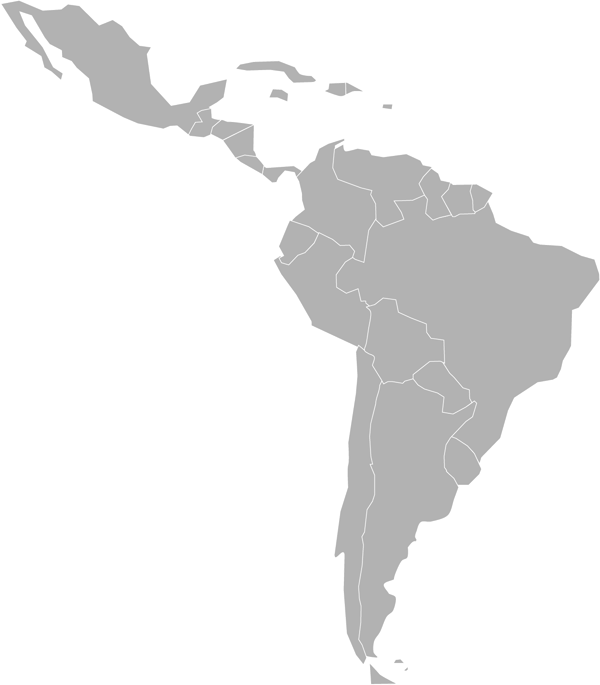
Increasingly, Latin American governments/elites have entrusted corporations and the market to bring about the solutions for the region’s current environmental problems such as (?). This market-oriented shift has dramatically changed role of the State. Particularly, the turn towards —which supposes business corporations as solvers of efficiency—has limited the regulatory role of the State as well as its role as innovator. Nonetheless, climate change sets a scene in which innovations are required the most to mitigate environmental problems. However, it is yet unclear if neo corporativism will solve the problems it itself produces such as(?). Across Latin America, the influence from western neo corporativist ideas has blurred the line between the state and businesses in advancing environmental solutions and protection. Studies in the region have turned to understand the sources of environmental damage and its relation to environmental justice. The relation between indigenous communities and their land is a key example of the complexity of environmental problems rooted in colonialism and un-advantageous processes of industrialisation. This chapter uncovers key lessons from decades of studies of the region, advancing a rich/thick critical perspective on the nature of environmental problems which problematises market-led solutions.

Abstract | Bio
 Latin American Politics