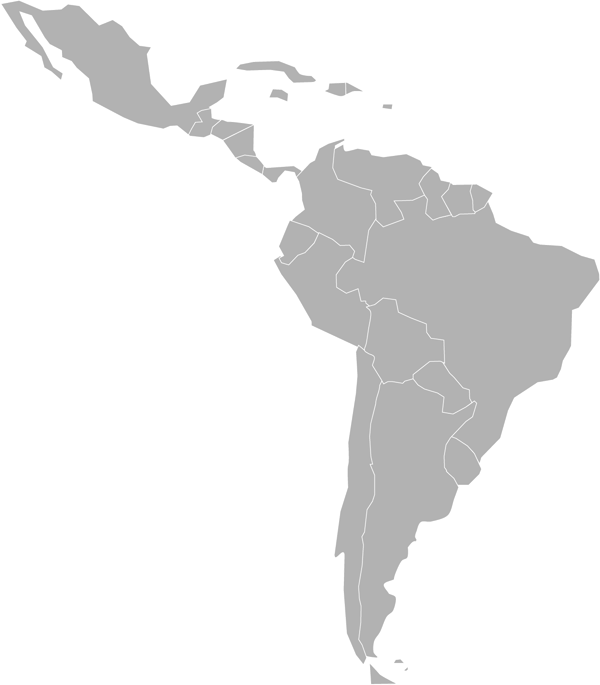
Of the manifold problems that Latin America confronts, many relate to the State and its capacity to implement decisions. Debates surrounding the efficacy of public policy, the quality of democracy, corruption, or widespread violence, often acknowledge the inability of political elites to exercise uncontested control and authority within their territorial domains. Given the centrality of state capacity to many contemporary challenges in Latin America, this opening chapter seeks to concisely summarise the main drivers of its variation by analysing the state-building process since independence. Reviewing this literature, this chapter first identifies the main critical junctures and factors which have produced regional divergence in the ability of Latin American polities to implement decisions. Crucially, however, it then underscores that the processes which have shaped this variation remain ongoing, dynamic, and contested. Indeed, long-term structural explanations of present-day state capacity only explain so much, inviting us to scale-down spatially and analyse more contemporary processes. In so doing, the significance of actor-centric and inherently political processes come to the fore. Indeed, by reflecting on the evolution of the debate surrounding the causes of Latin America’s uneven state capacity, it becomes evident that this is a debate which is shifting from principally examining variation between states, to increasingly explaining variation within them.
p { line-height: 115%; text-align: left; orphans: 2; widows: 2; margin-bottom: 0.1in; direction: ltr; background: transparent }a:link { color: #0563c1; text-decoration: underline }

Abstract | Bio
 Latin American Politics