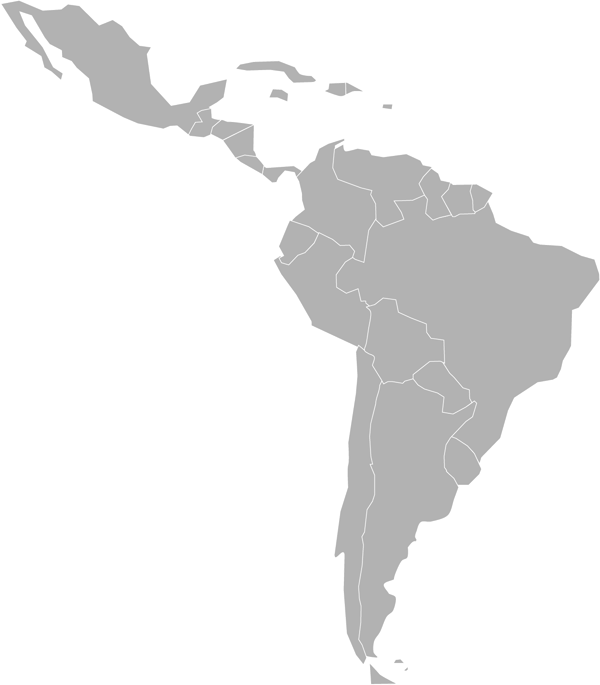
This chapter explores policy coordination and cooperation among and within Latin American countries. It begins with an overview of the literature on coordination, starting with views highlighting either ‘negative’ (or minimal, autonomy-preserving) coordination, or positive’ (or proactive, process-based) coordination. The chapter then summarises the region’s institutionalised coordination structures, and their successes and difficulties over time. Then, with a focus on the exogenous challenges of climate change and pandemic disease, it examines, for selected countries, how their internal institutional architectures have created barriers to coordination, and how —in certain cases— cooperative behaviour has emerged to overcome some of these barriers.

Abstract | Bio
 Latin American Politics